
Indian Ocean cultures
Swahili seafarers and the East African coast
Swahili maritime society developed from African coastal communities deeply engaged with Indian Ocean commerce. Towns from Somalia to Mozambique linked inland resources with merchants from Arabia, the Gulf, India and beyond while creating a distinctive Kiswahili-speaking Islamic urban culture.
Swahili society developed on the African coast
Archaeology shows continuity between early coastal settlements and African communities inland. Imported goods increased over time, but the towns were not foreign colonies planted on an empty shore.
Local populations built the urban and commercial institutions that later became associated with the Swahili coast.
Coral-stone towns grew from commercial success
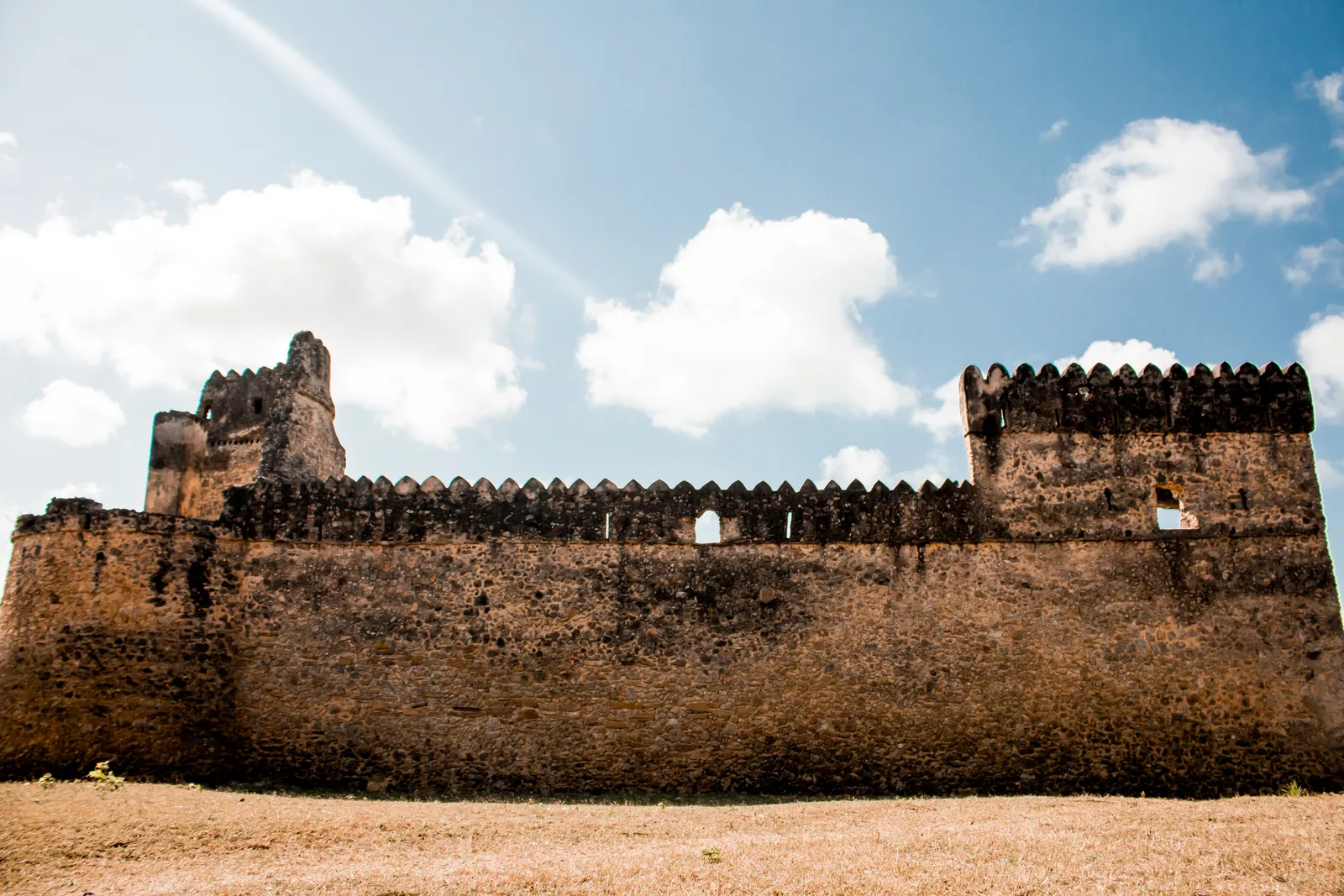
Places such as Kilwa, Mombasa and other coastal settlements developed mosques, elite houses and monumental architecture using coral stone. These buildings reveal accumulated wealth and long-term urban investment.
Architecture also reflects local adaptation to climate, materials and Islamic cultural connections.
Monsoon winds structured overseas contact
Seasonally reversing winds allowed vessels to travel between East Africa, Arabia and India within recurring sailing windows. Merchants might remain in port until the wind system changed direction.
Those waiting periods encouraged resident commercial communities, marriages, language exchange and durable social relationships.
African hinterlands supplied valuable commodities
Gold, ivory, timber, animal products and other goods reached coastal markets through inland networks. The famous gold trade associated with Kilwa depended on connections extending far beyond the shoreline.
Coastal elites profited by organizing exchange between inland producers and overseas merchants.
Imported ceramics reveal wide connections
Persian Gulf, Indian and Chinese ceramics occur at Swahili sites. Their distribution helps archaeologists date trade intensity and identify changing overseas links.
An imported bowl, however, does not prove a ship from its production country sailed directly to that settlement, because goods were frequently redistributed.
Dhows were part of a diverse vessel world
Later dhow traditions are strongly associated with western Indian Ocean sailing, but the term covers several vessel types and should not be projected unchanged into every earlier period.
African, Arabian and Indian shipbuilding traditions interacted over centuries, making the western Indian Ocean technologically diverse.
Portuguese and Omani power changed the coast
Portuguese intervention from the late fifteenth century disrupted existing political relationships and introduced fortified maritime competition. Omani influence later became especially strong in Zanzibar and other ports.
These changes reshaped political authority without ending Swahili commercial culture or African participation in regional trade.
Swahili history changes how Indian Ocean trade is understood
The coast was not an endpoint where foreign merchants simply collected African goods. Swahili communities actively organized ports, finance, language and social institutions.
Their history shows how a maritime culture can be both deeply local and cosmopolitan at the same time.
Kiswahili itself records centuries of maritime contact
Kiswahili is a Bantu language whose core grammar and vocabulary are African, while substantial Arabic and other loanwords reflect long engagement with Indian Ocean merchants and Islamic scholarship. The language is evidence of contact, but its African structure also corrects the outdated idea that Swahili culture was imported wholesale from Arabia.
Language spread along coasts and islands because ports, marriages, trade and religious institutions connected communities. Maritime movement helped turn a regional coastal language into a much wider lingua franca.
Kilwa’s coinage shows local political organization
Kilwa and other Swahili towns issued or used locally meaningful forms of currency and developed ruling dynasties whose authority rested on African coastal societies. Overseas commerce enriched these governments, but it did not erase local institutions.
This matters because archaeological imports can otherwise create a false impression that prosperity arrived entirely from abroad. Imported ceramics were consumed within towns whose political life was locally organized.
What changed after European intervention
Portuguese fleets entered an already mature commercial world in the late fifteenth and early sixteenth centuries. Forts, tribute demands and naval violence altered relationships among ports, but trade continued through adaptation, resistance and new alliances.
Later Omani influence, Zanzibar’s rise and nineteenth-century commerce transformed the coast again. Swahili maritime history therefore continues well beyond the medieval “golden age” often emphasized in surveys.
Evidence, chronology and the limits of reconstruction
The maritime history of Swahili Seafarers and Indian Ocean Trade has to be reconstructed from evidence that survives unevenly. Ports, imported ceramics, anchors, inscriptions, coins, ship remains and foreign accounts can each establish part of the picture, but none can carry the whole argument alone.
An imported object proves movement or exchange. It does not by itself identify the crew, establish one direct voyage or prove political control. Chronology matters because ports shifted, dynasties changed and vessel traditions evolved.
What sustained regular participation in sea travel
Regular seafaring required an economy behind the waterfront. Crews needed water, food, repair materials, pilots and seasonal knowledge, while shipwrights needed timber, fibres, tools and skilled labour.
Merchants depended on storage, credit, brokers and trusted partners across languages and political borders. Maritime strength is therefore better understood through working systems than unsupported fleet claims.
How this tradition fits the wider history of sea travel
Swahili Seafarers and Indian Ocean Trade belonged to connected seas rather than an isolated national story. Cargo often changed hands several times, and sailors borrowed useful practices from neighbouring communities while retaining local traditions.
Political influence could cross water without becoming territorial rule. Comparing maritime systems makes local solutions clearer because every seafaring society faced recurring problems of weather, navigation, provisioning, harbour access and risk.